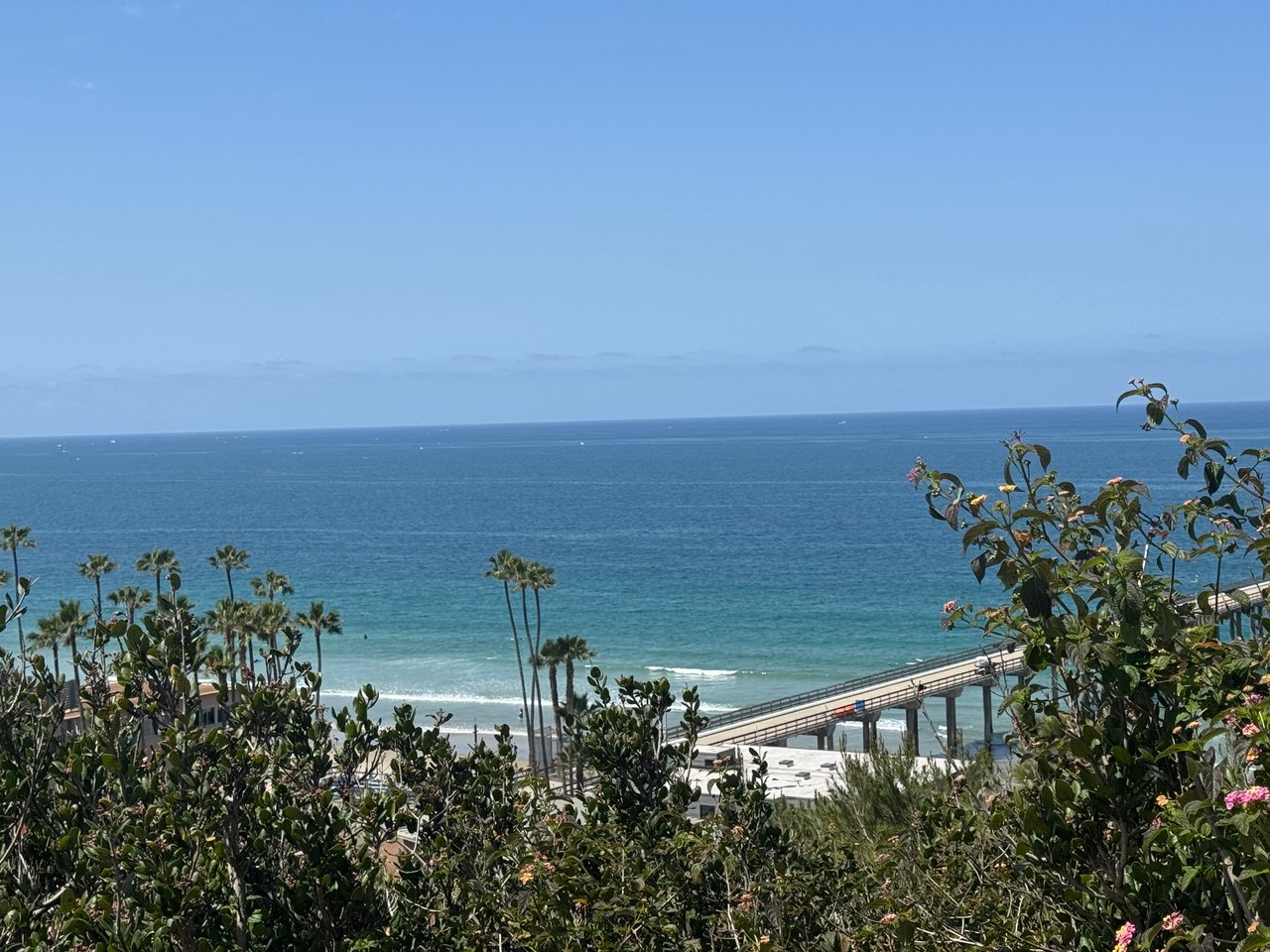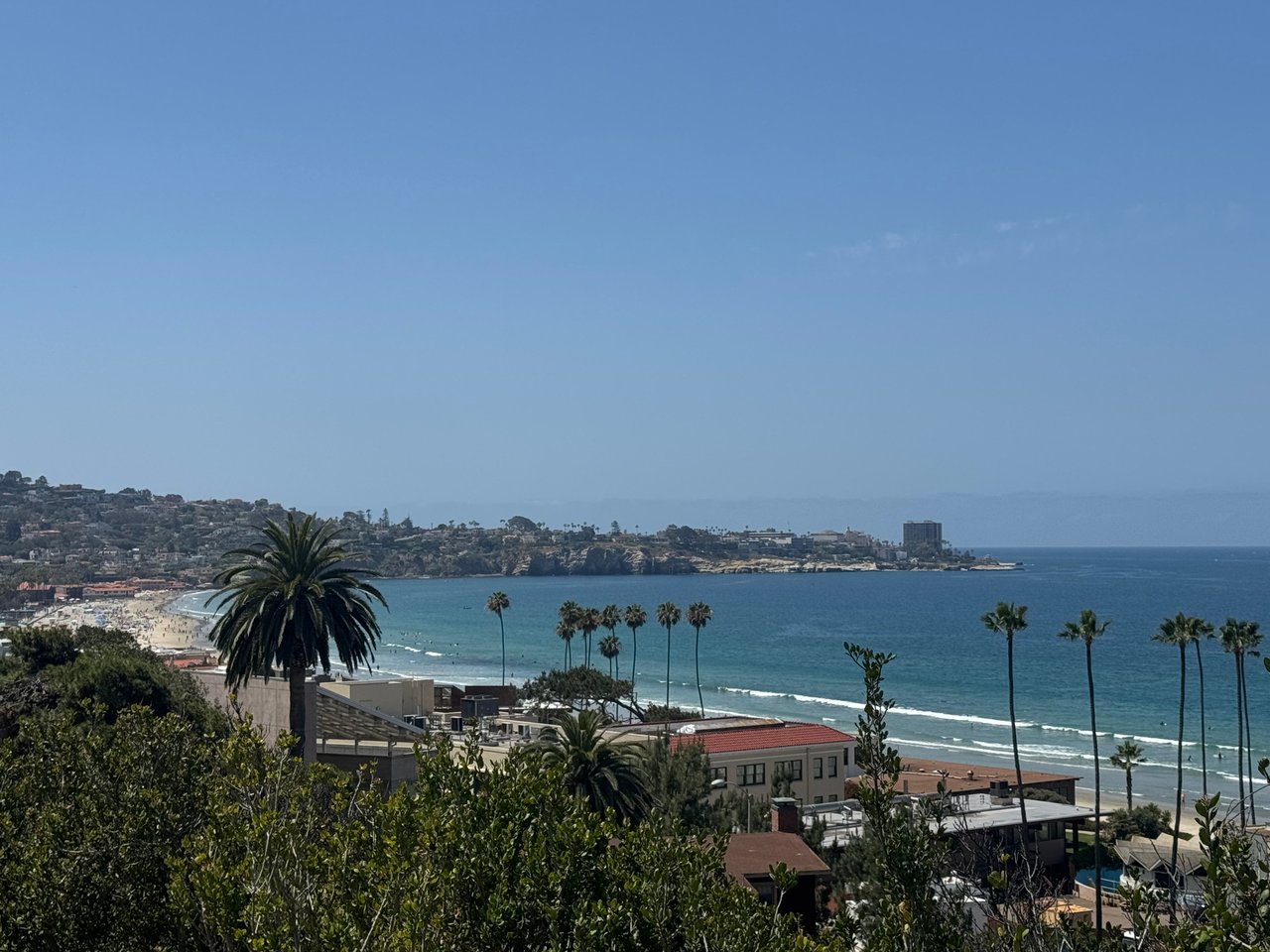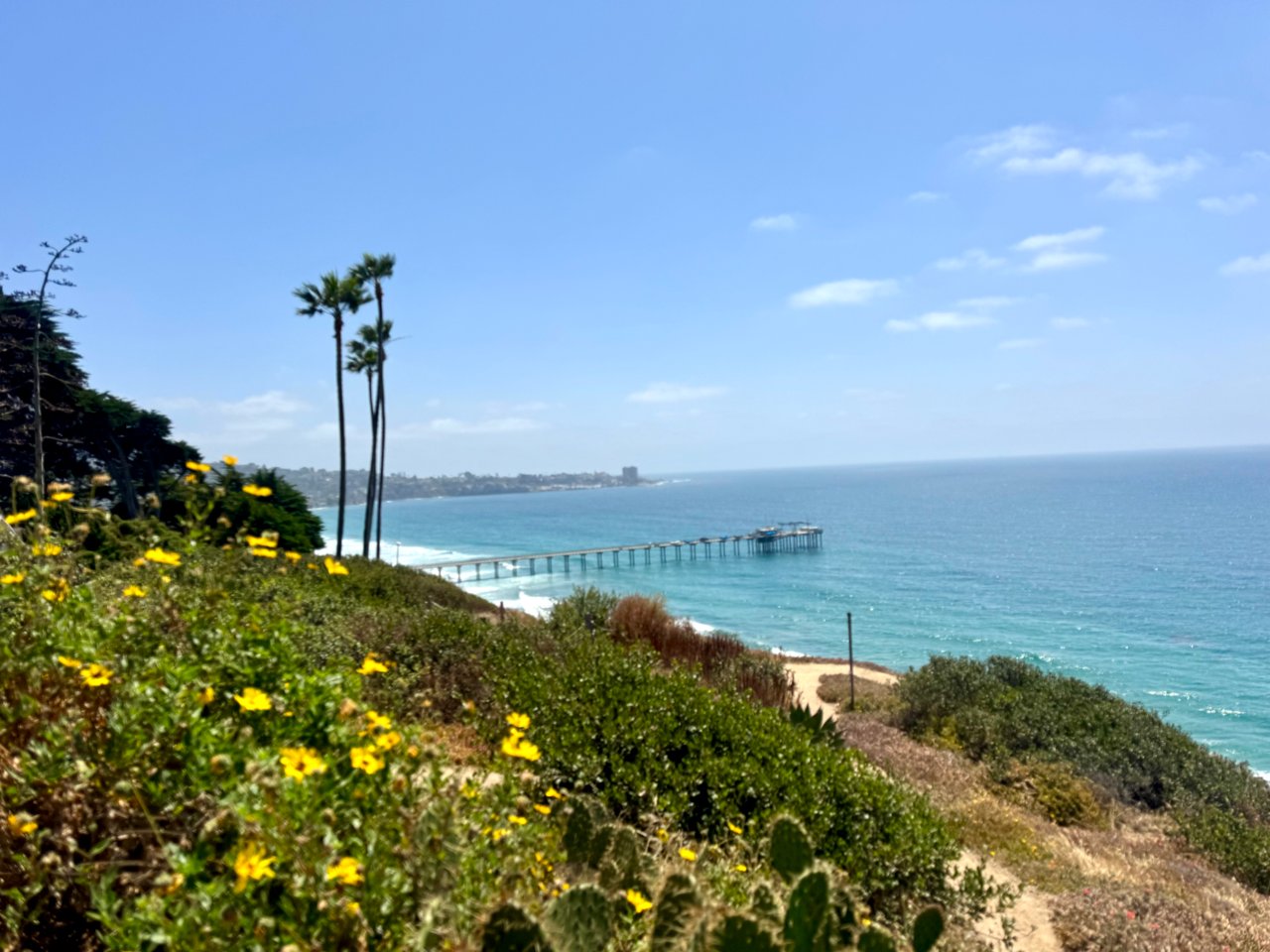
A condo in La Jolla Village closes at $815,000. A home in the Muirlands closes at $8.77 million. Both sales get folded into the same number when a portal alert lands in your inbox: the La Jolla median. Same ZIP code, 92037, on both deeds. Almost nothing else in common.
That gap isn't a luxury tier sitting above an affordable tier the way it might in most cities. It's evidence that La Jolla isn't one market wearing one price tag. It's at least five, and the number that gets reported as "the La Jolla median" is really just whichever mix of those five happened to close in a given month. If you're comparing La Jolla to another North County community using that single figure, you're comparing an average of averages to a place that behaves like one thing.
What a Dozen Sub-Markets Actually Cost
La Jolla's sub-neighborhoods carry price bands wide enough that a buyer moving from one pocket to another isn't trading up or down so much as trading into a different kind of ownership entirely.
Character | What You're Buying | |
|---|---|---|
La Jolla Village | Condo-heavy, walkable to Girard and Prospect | Condo medians have run roughly $815,000 to $915,000 through the first half of 2026 |
La Jolla Shores | Flat streets, beach cottages | Detached home medians near $2.447 million, though monthly figures swing hard on low sales counts |
Bird Rock | Walkable strip, locally owned shops, calmer traffic | Entry pricing for smaller homes and condos has started near $1.8 million in early 2026 |
Beach Barber Tract | Dense residential, surf culture, historic cottages and rebuilds | Detached medians around $3.65 million |
Muirlands | Larger lots, hillside, car-dependent | Detached medians around $8.77 million |
Nobody buying in the Village is competing with anybody buying in the Muirlands. They aren't looking at the same inventory, working with the same lenders, or worried about the same timelines. Treating "the La Jolla median" as a single data point erases that.
Why the Trackers Can't Agree With Each Other
Here's where it gets useful rather than just interesting. Pull market reports on La Jolla from this year and you'll find real disagreement, not rounding differences. In spring 2026, Melina Rissone's local market update reported the median sold price at $2.521 million, a 21 percent increase, and pointed to just 3.58 months of supply as proof the market favored sellers. By the three months ending June 2026, Redfin had the median sale price at $2.3 million, essentially flat year over year, with price per square foot down about 10.5 percent. By the first week of September 2026, Altos Research described the market as consistently cool for several weeks, a buyer's market with prices continuing to fall.
Those aren't three measurements of the same thing drifting apart through error, or three measurements of one market actually swinging from a seller's advantage to a buyer's advantage in a matter of months. They're three measurements of different sub-markets that happen to share a ZIP code, taken at different points when different pockets dominated the closings. La Jolla Shores makes the mechanism obvious: one tracker showed the Shores median falling 56.9 percent in a single month, on a total of just 13 home sales. A market doesn't crater by more than half in thirty days. What happens instead is that with only 13 closings, a handful of smaller cottages closing instead of the usual mix of oceanfront properties can swing the median that hard, purely on composition. Zoom out to all of La Jolla and the sample gets bigger (164 sales in June 2026 across the whole ZIP code) but it's still being split across a dozen sub-markets that don't move together, which is exactly why the aggregate keeps contradicting itself.
If you're using the headline median to time an offer or gauge whether you're getting a fair deal, you're reading noise generated by which pocket happened to sell that month, not a signal about whether values are rising or falling.
What Foxhill Shows About the Top of the Market
The unreliability gets more pronounced the higher up you go, and nothing demonstrates that better than what's happening on the hilltop once part of the historic Copley estate. Foxhill La Jolla is the first new gated subdivision built in La Jolla in roughly 40 years, the last one being Crystal Bay back in 1985. The land was originally owned by James Copley, the late publisher of the San Diego Union-Tribune, and was later owned by developer Doug Manchester before being subdivided into five homesites.
Those five lots, ranging from about 10,230 to 13,027 square feet, are priced between $8.3 million and $9.25 million, and that's for the land with entitlements, before anyone breaks ground on a house. A buyer here is purchasing an approved coastal development permit and a set of building plans, not a finished home. There's essentially no comparable transaction to check that price against, because there hasn't been a new gated community in La Jolla to compare it to in four decades. At this tier, "median price" stops meaning anything at all. Every transaction is closer to a one-off negotiation than a data point in a trend line.
The Same Money, Different Lives
Price alone won't tell you which pocket fits how you actually want to live day to day.
- In Bird Rock, you can walk La Jolla Boulevard past the roundabouts that have calmed traffic there for years, stop at Bird Rock Coffee Roasters, and grab dinner at Beaumont's Neighborhood Eatery, the restaurant David and Megan Heine have run since 2005 and marked its 20th year in business in 2025.
- In the Village, errands happen on foot along Girard and Prospect, with a Whole Foods within walking distance for anyone trading a car-dependent life for a walkable one.
- In La Jolla Shores, the terrain flattens out and the daily rhythm centers on the beach itself rather than a commercial strip.
- In the Muirlands, you're trading walkability for larger lots and quieter streets, with Muirlands Middle School anchoring the neighborhood.
None of these is a better version of La Jolla than the others. They're different answers to the question of what you want a coastal address to do for your life, and the price bands above only make sense once you know which answer you're buying.
What This Means for Your Search
If you're comparing La Jolla to Del Mar, Encinitas, or Solana Beach using the headline median, you're not comparing like to like, and the number won't hold still long enough to be useful anyway. The more productive question is which of La Jolla's pockets actually matches your budget and your daily habits, then looking at recent closed comps in that specific pocket rather than the ZIP-code aggregate. In areas with low monthly transaction counts, like the Shores or the Muirlands, expect the reported median to bounce around for reasons that have nothing to do with what any individual home is worth. A single closing can move the number more than an entire quarter of real appreciation would.
That's the case for working with someone who tracks these sub-markets individually rather than reciting the aggregate. The gap between a Village condo and a Muirlands estate isn't a rounding error. It's the whole story.
A Few Questions That Come Up Often
Is Bird Rock actually more affordable than La Jolla Shores? Generally, yes. Bird Rock's entry pricing for smaller homes and condos started near $1.8 million in early 2026, while Shores detached homes have carried medians closer to $2.447 million, though the trade is walkability and neighborhood character for beach-adjacent living.
Why did one report show La Jolla Shores prices falling by more than half in a single month? That figure came from a month with only 13 total sales in the Shores. With that few transactions, a shift toward smaller properties closing instead of larger ones can swing the reported median dramatically without reflecting any real change in value.
What's actually driving the ultra-luxury end of the market right now? Scarcity of buildable land more than anything else. Foxhill La Jolla, the first new gated subdivision in the neighborhood in about 40 years, is pricing raw entitled lots at $8.3 million to $9.25 million precisely because opportunities like it come along so rarely.
If you're weighing which La Jolla pocket actually fits your budget and your life, or comparing it against other North County coastal communities, Ingrid Pasco can walk through the current comps pocket by pocket rather than the aggregate. Schedule a consultation to start with the numbers that actually apply to your search.